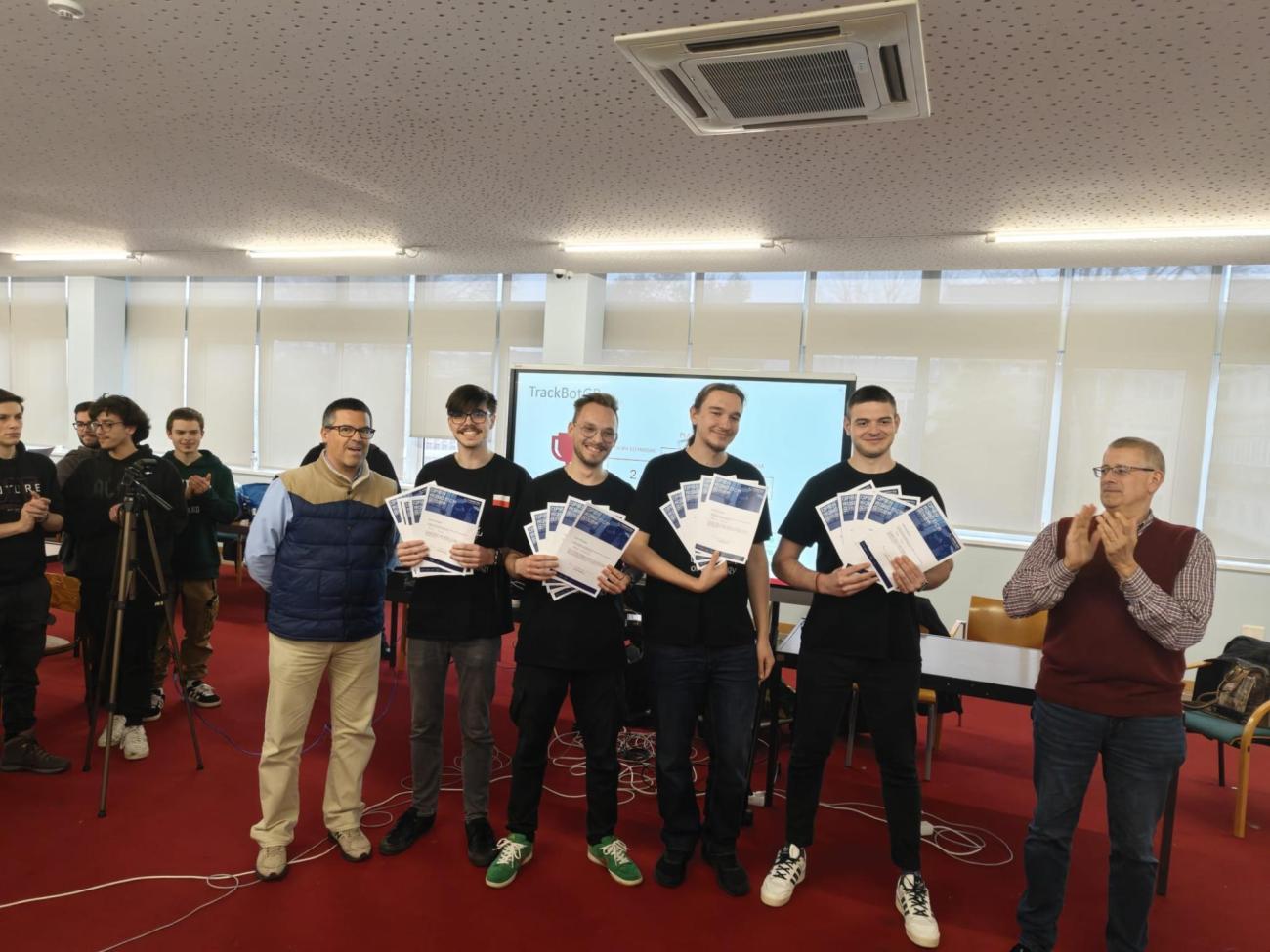
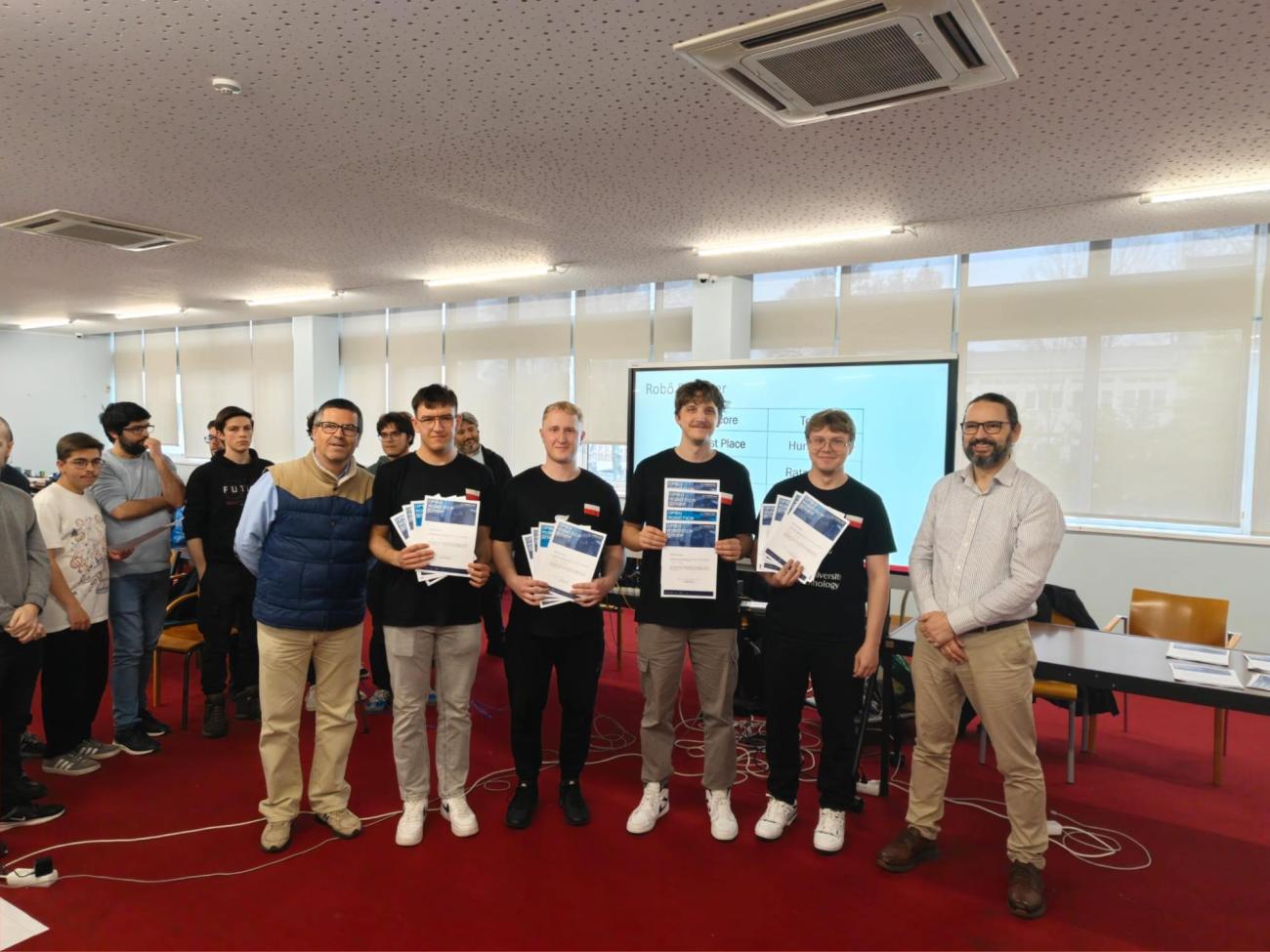
Double podium for Lodz University of Technology’s Faculty of Mechanical Engineering students at the international Robotics@ISEP Open 2026 competition in Portugal.
Robotics@ISEP Open 2026 is an international robotics competition organized at the Polytechnic Institute of Porto, Instituto Superior de Engenharia do Porto (ISEP) in Portugal. Each year, the event brings together student teams competing in two autonomous mobile vehicle challenges that combine elements of robotics, automation, electronics, and mechanical engineering. The initiative integrates competitions, workshops, training sessions, and inter-university networking. Its goals include developing engineering and teamwork skills, encouraging students from all fields of study to engage in robotics, enabling hands-on learning in an informal environment, and fostering collaboration between academic communities from different countries.
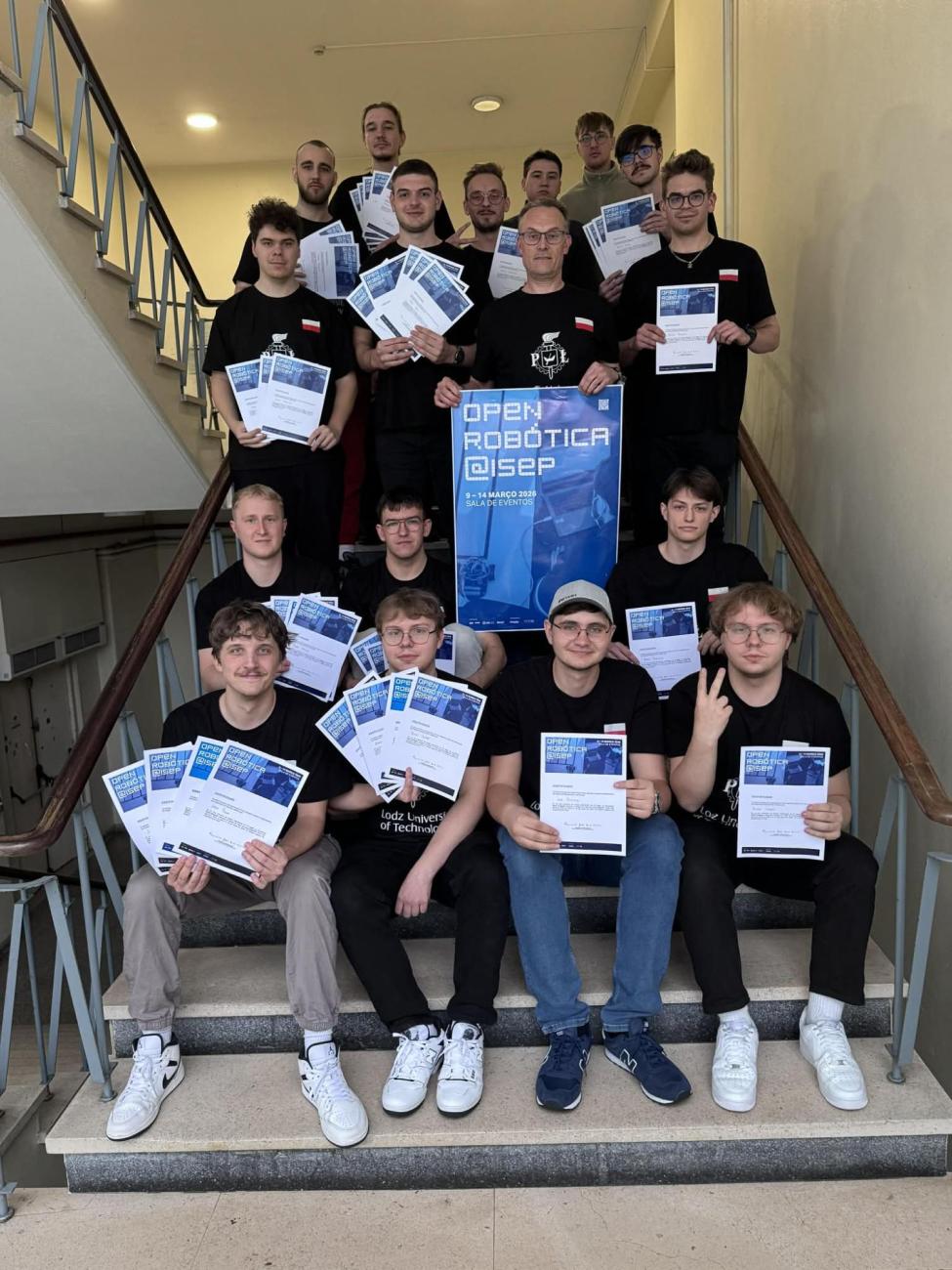
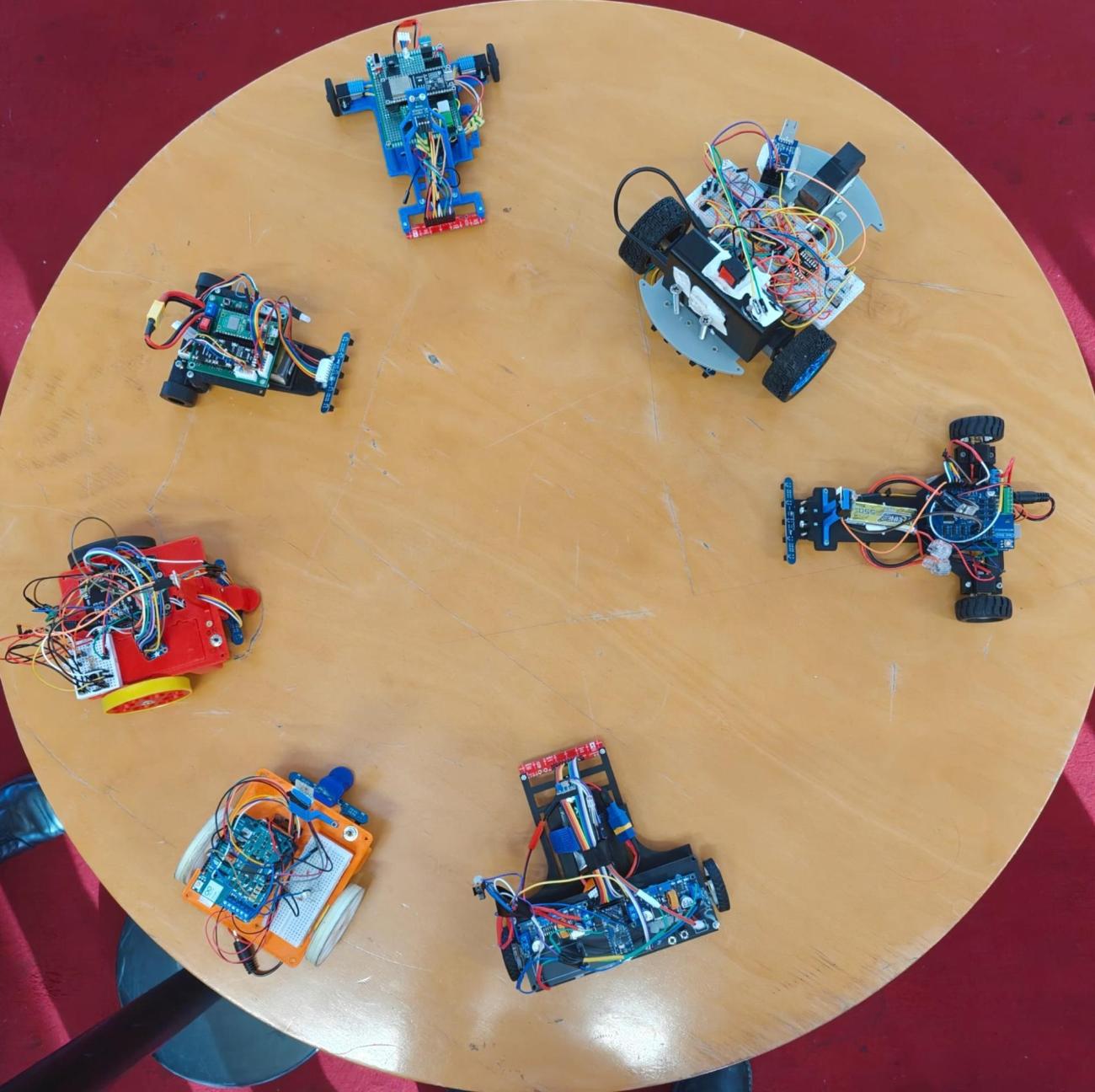
This year’s edition proved particularly successful for students from the Faculty of Mechanical Engineering at Lodz University of Technology, who not only demonstrated a high level of technical preparation but also reached the podium in both competition categories, confirming the effectiveness of their solutions and the dedication of the entire team. Four student teams participated in the event—representing the Automation and Robotics program as well as Mechanical Engineering—with two teams competing in each category.
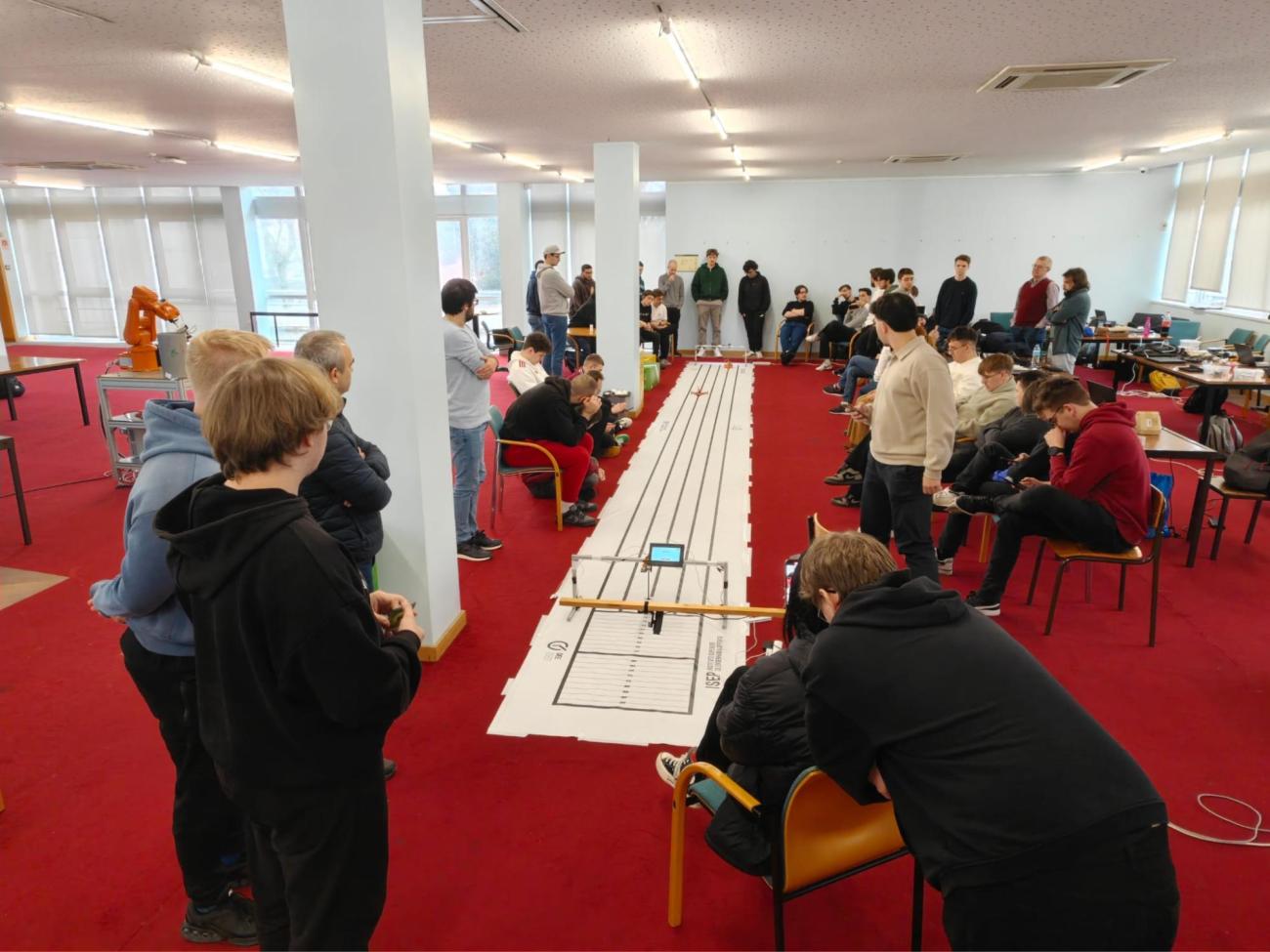
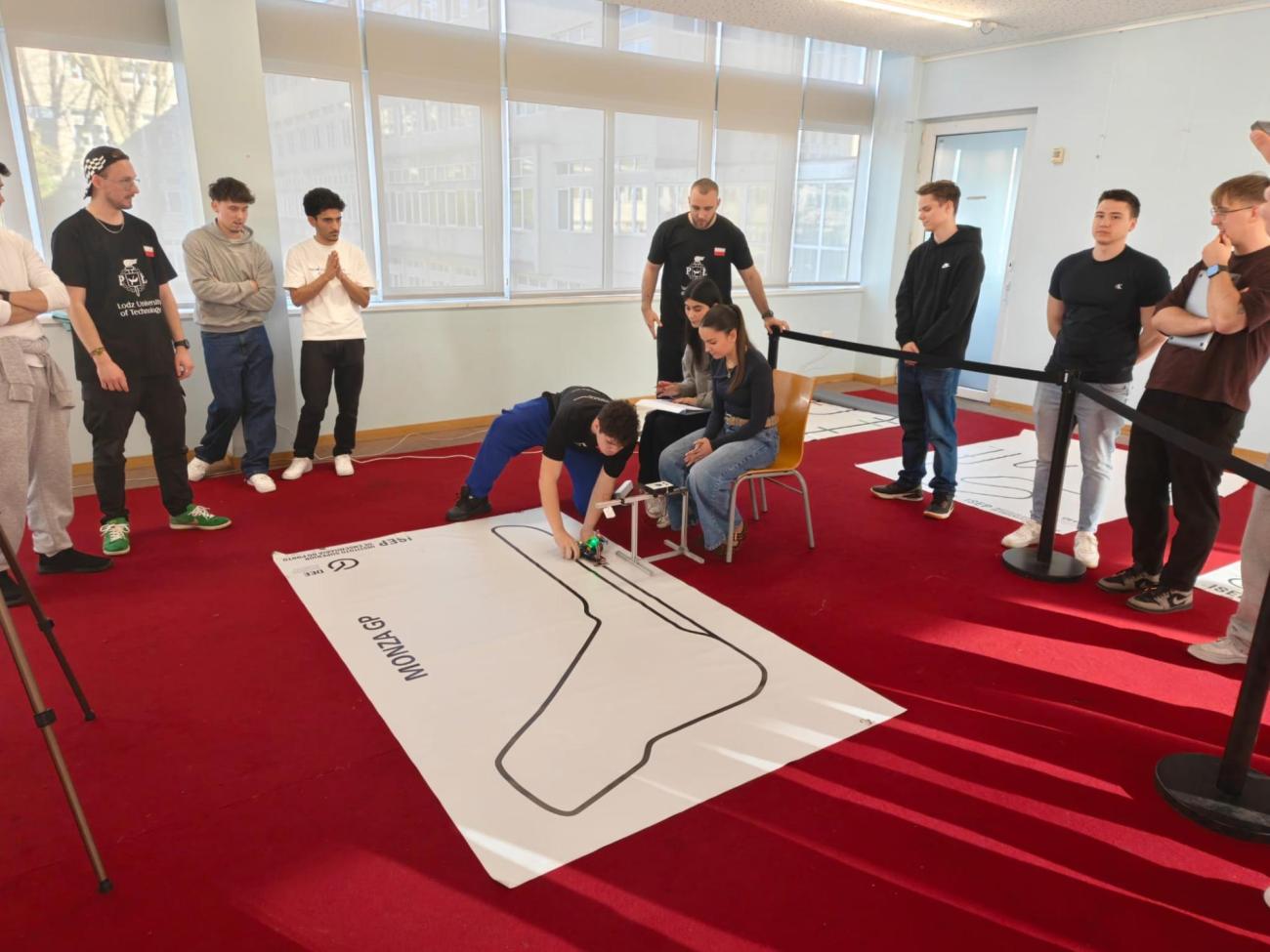
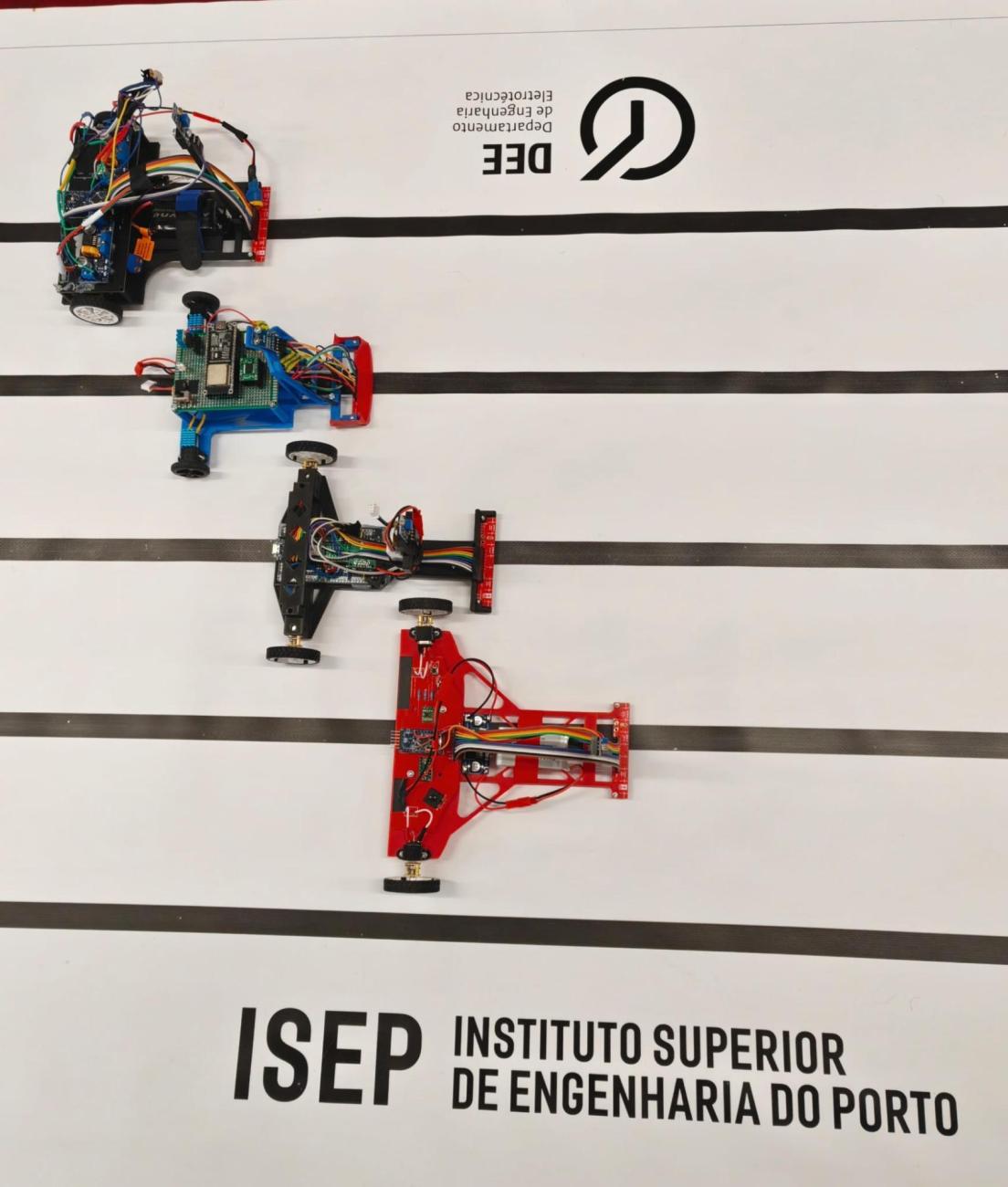
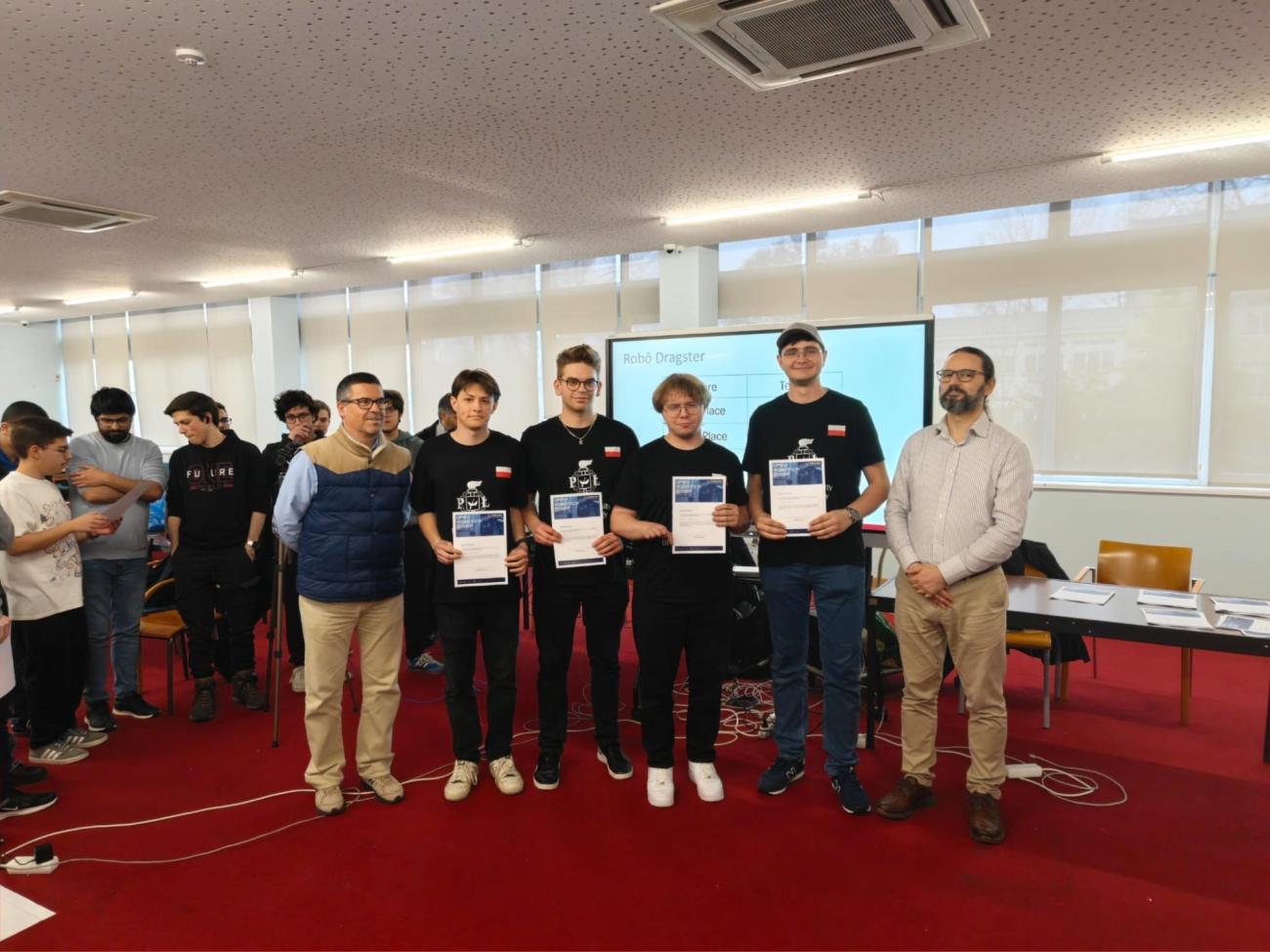
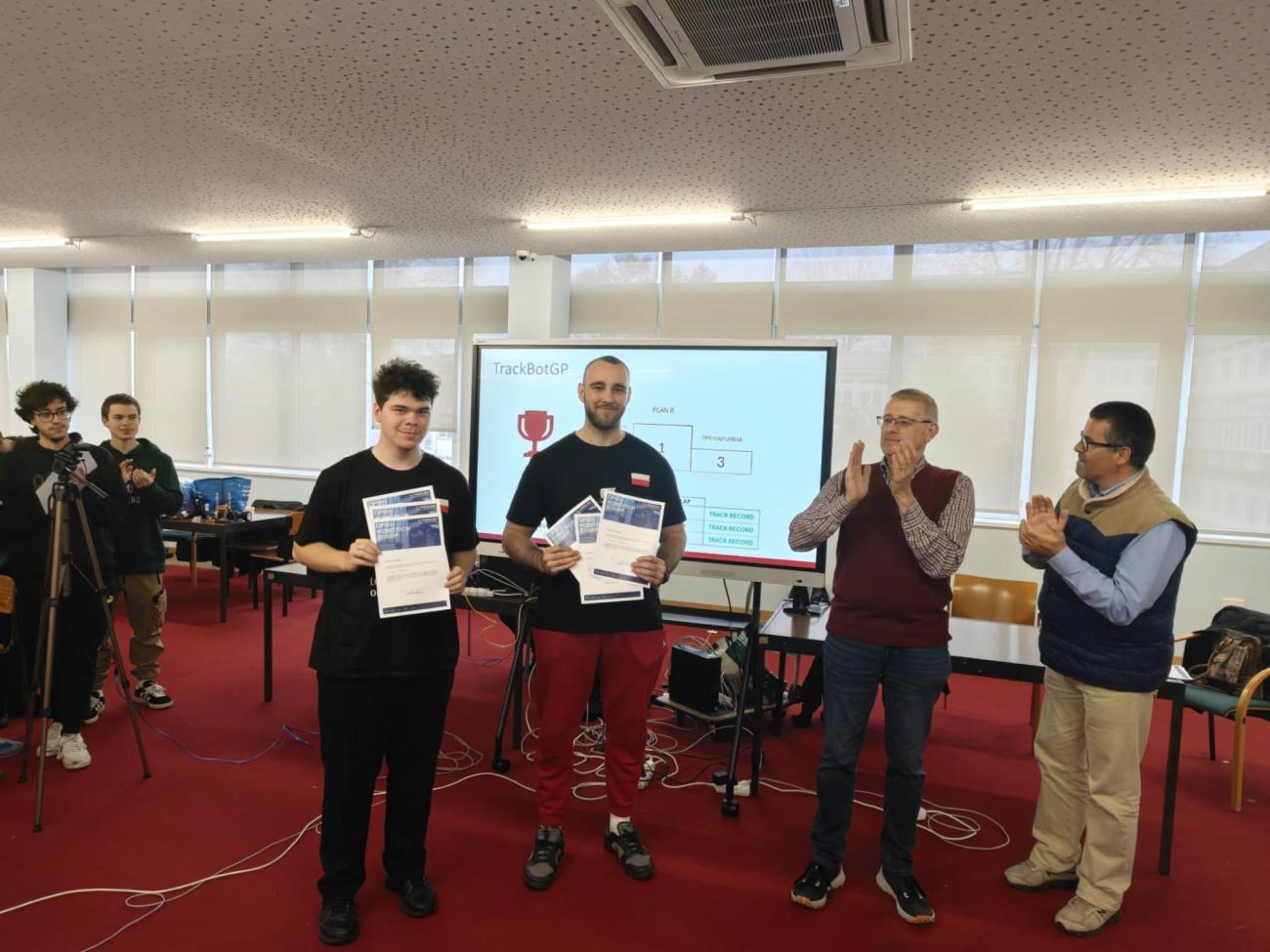
In the first competition, TrackBotGP— inspired by Formula 1 racing and held on a track replicating the layouts of Monza, Portimão, and Suzuka—first place was secured by team PLAN B, while team Timon & Pumbaa finished in third place. Additional certificates were awarded for the best lap times. In the second speed-based competition, Robo Dragster, run on a straight ten‑meter track with two braking zones, team Hurricane claimed first place, and team Ratatouille took second. Both teams also received certificates for the fastest single run of the event and the best average time across all runs.
This year’s participation of the Faculty of Mechanical Engineering was organized and supervised by Professor Dariusz Witkowski, who oversaw the teams’ preparations, coordinated logistics, and provided academic support to the participants. He was also responsible for the formal aspects of the project, ensuring that the entire trip was carried out efficiently and in accordance with procedures. Thanks to his commitment, students were able to fully benefit from the event, develop their technical skills, and represent the university at a high level.
Image
Image
Image
Image
Image
Image
Image
Image