The XXVII Fluid Mechanics Conference has concluded, summarizing four intensive days of discussions, research, and innovation in the field of fluid mechanics.

In the second half of June 2026, the Institute of Turbomachinery at Lodz University of Technology had the honour of hosting the 27th edition of the Fluid Mechanics Conference, one of the most important scientific events in Poland dedicated to fluid mechanics. The four‑day meeting, held on 23–26 June, once again confirmed the significance of this conference series as a venue integrating researchers from Poland and abroad, and as a platform for presenting the latest achievements in this dynamically developing field.
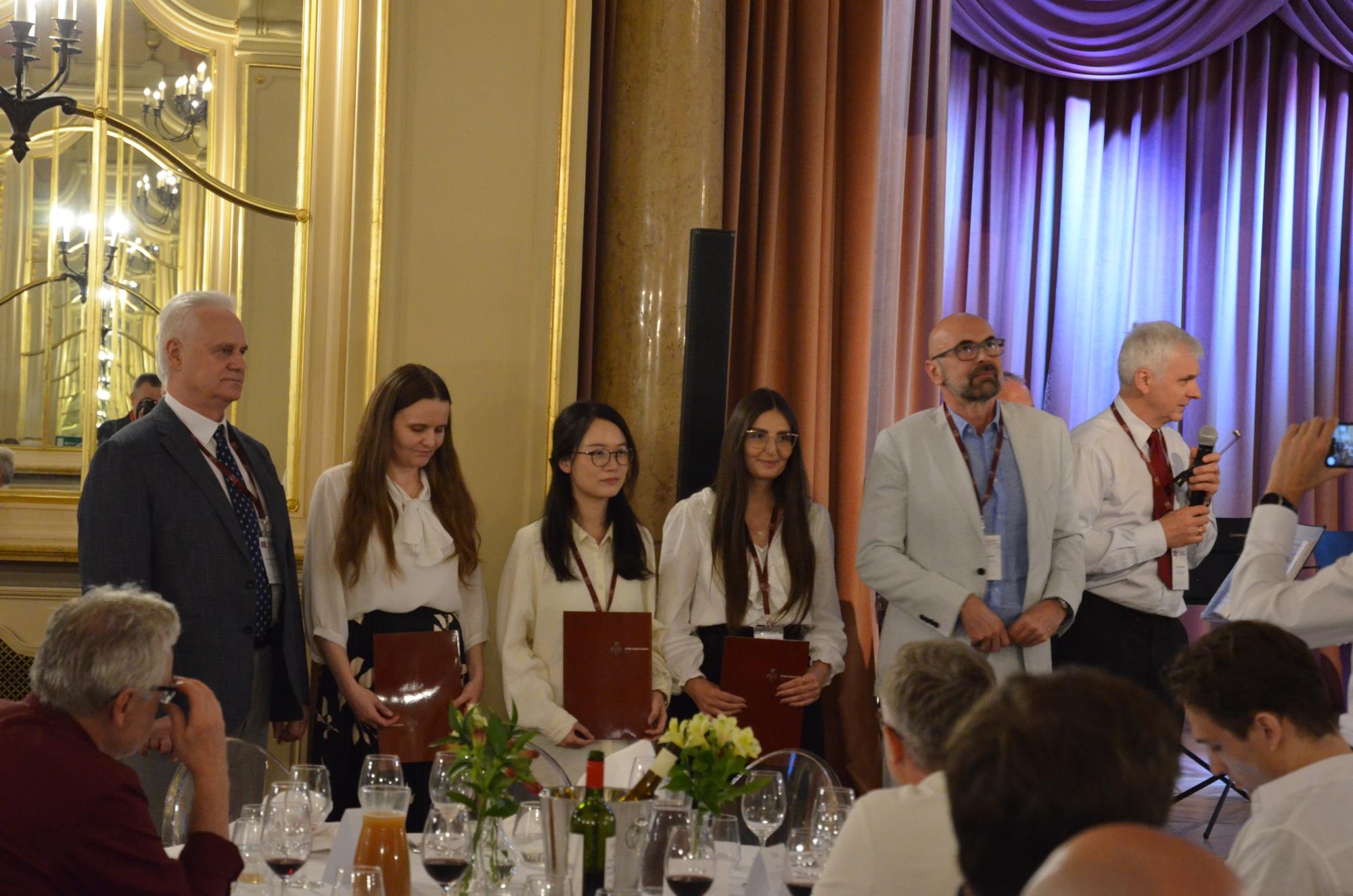
This year’s edition brought together over 150 participants, including a substantial group of guests from international research centres. A total of 124 papers were submitted to the conference programme, of which—after the review process—103 were accepted for presentation and published in the official Book of Abstracts. The scientific quality of the event was overseen by the International Scientific Committee chaired by Prof. Jacek Pozorski. The FMC 2026 programme included plenary and semi‑plenary lectures, an open lecture, several thematic sessions, a poster session, an industrial session, and the final of the Prof. Janusz W. Elsner Competition.
The thematic scope of the conference was exceptionally broad, ranging from fundamental issues such as turbulence and aerodynamics to engineering applications, environmental flows, experimental and numerical methods, and modern uses of artificial intelligence in flow analysis. Among the invited guests were representatives of renowned research institutions from Europe and the United States. Plenary lectures were delivered by, among others, Prof. Ramis Örlü (Oslo Metropolitan University), Prof. Paul G. A. Cizmas (Texas A&M University), Prof. Manuel García‑Villalba (TU Wien), and Prof. Colm‑cille P. Caulfield (University of Cambridge). Semi‑plenary lectures were given by distinguished Polish researchers, and the open lecture by Prof. Szymon Malinowski, devoted to fluid dynamics in the context of climate change, attracted wide attention from participants.
The conference was supported by numerous companies operating in the areas of measurement technologies, energy systems, and flow engineering. The presence of industrial partners, their promotional stands, and presentations within the session dedicated to practical applications of fluid mechanics highlighted the importance of collaboration between science and industry. Among the sponsors and partners were, among others: Eurotek International and Dantec Dynamics, Amecam – LaVision’s partner in Poland, MESco Sp. z o.o., MicroVec Pte Ltd, PGE GiEK S.A., and Veolia Energia Łódź S.A. The event was held under the honorary patronage of, among others, the Minister of Science and Higher Education, the Committee on Mechanics of the Polish Academy of Sciences, ERCOFTAC, PTMTS, the Mayor of Łódź, and the Rector of Lodz University of Technology.
Scientific sessions, poster presentations, and informal discussions took place at the Institute of Physics of Lodz University of Technology, which provided appropriate facilities and technical support. We express our sincere gratitude for making the educational spaces available and for the organisational assistance that significantly contributed to the smooth course of the conference. The high organisational standard was the result of the work of the conference committees, the technical team, doctoral students, students, and volunteers.
FMC 2026 strengthened the position of the conference as a key event for the fluid mechanics community in Poland and the region. The meeting not only enabled the presentation of current research results but also fostered relationship‑building between scientific centres, the exchange of experience, and the support of young researchers. The event was co‑funded by the “Vectors of Science” programme, underscoring its importance for the development of national research.